
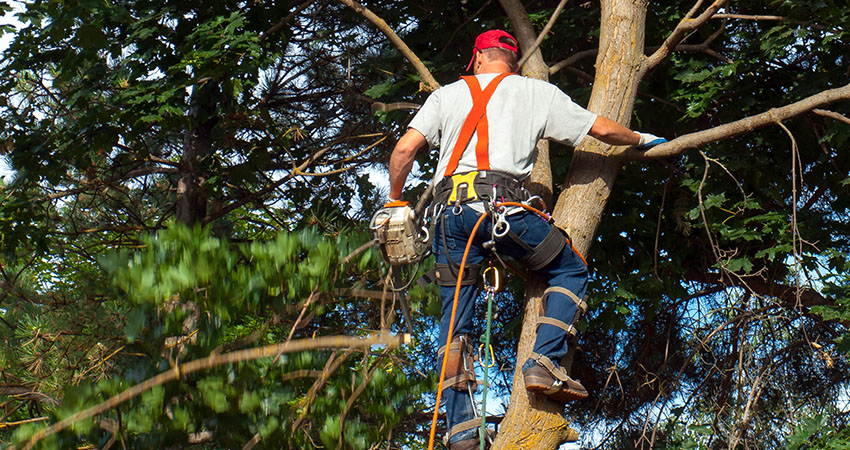
The role of an arborist extends far beyond basic tree care, as these specialists carry the responsibility of preserving the health and safety of residential and commercial landscapes. Many property owners rely on arborist services to evaluate tree conditions and provide professional recommendations that keep their surroundings attractive and structurally sound. Arborists work with living ecosystems that require both scientific understanding and practical expertise to maintain properly. Their work prioritizes environmental balance while addressing the specific needs of individual trees, which is why comprehensive evaluation plays such an essential part in their profession. Through skilled observation and thoughtful planning, arborists help ensure that each tree contributes positively to the property it inhabits.
Assessing overall tree health with expert knowledge
A major part of an arborist’s job involves examining trees for signs of disease, decay, pest infestation, or structural weakness. This requires a keen eye supported by horticultural training, allowing the arborist to identify potential issues before they become serious hazards. They evaluate bark texture, leaf color, root stability, and canopy structure to determine whether a tree is thriving or in decline. Such assessments rely heavily on detailed analysis, ensuring that every recommendation is backed by professional insight. Early detection prevents costly damage and supports long term, healthy growth across the entire landscape.
Providing structural pruning to promote safe and balanced growth
Pruning is one of the most important services arborists offer, as it directly influences the shape, strength, and safety of a tree. Proper pruning removes dead or weakened branches, improves airflow, and encourages healthy new growth. By using strategic techniques, arborists help trees maintain natural beauty while reducing the risk of falling limbs, especially during storms. They also pay careful attention to branch distribution, ensuring that the tree’s weight remains balanced. Without professional pruning, trees can become overgrown or unstable, creating safety risks for property owners and nearby structures.
Supporting tree stability through bracing and cabling
In situations where a tree is structurally compromised but still salvageable, arborists may use support systems such as bracing rods or steel cables. These systems help stabilize weak branches or trunks, allowing the tree to continue growing safely. Installing reinforcement requires technical precision, as improper placement can cause further damage. Arborists must evaluate the tree’s natural direction of growth and determine which supportive method will be most effective. At the same time, structural support techniques help preserve older trees that still contribute environmental or aesthetic value to a landscape. This type of intervention showcases the arborist’s commitment to preserving trees whenever possible.
Guiding tree nutrition and soil health management
Healthy soil is the foundation of healthy trees, and arborists play a vital role in evaluating nutrient content, drainage conditions, and root space availability. They may recommend fertilization, soil aeration, or adjustments to watering practices to support optimal growth. Their environmental expertise ensures that the root system remains strong enough to support the tree’s overall structure. When soil becomes compacted or nutrient deficient, root development slows, leading to visible stress indicators. Arborists rely on biological insight to restore the soil’s vitality, helping trees grow vigorously and resist disease.
Offering safe and professional tree removal when necessary
While arborists prioritize preservation, there are times when removing a tree is the safest choice. Midway through exploring the role of these professionals, it becomes clear that safety often dictates such decisions, especially when trees are severely damaged or structurally unstable. Many clients turn to professional tree removal services Potomac when a tree threatens buildings, walkways, or utility lines. Arborists use their safety training and specialized equipment to remove trees with minimal impact on the surrounding landscape. This process requires careful planning, precise cuts, and the ability to manage powerful machinery while maintaining control. When trees can no longer be saved, careful extraction ensures the property remains safe and functional.
Restoring landscapes after storms and environmental stress
Storms, droughts, and harsh weather conditions can cause significant damage to trees, leaving broken branches or weakened limbs behind. Arborists are often the first professionals called to restore order after such events, using their emergency response skills to assess the situation and address hazards. They remove dangerous debris, stabilize damaged trees, and evaluate which specimens can recover with proper care. Storm recovery work also involves post assessment planning, as arborists create strategies to rehabilitate the landscape and prevent future damage. Their expertise helps restore environmental balance and protects property owners from lingering risks.
Managing pests and diseases using environmentally conscious methods
Trees are vulnerable to a wide variety of pests and diseases, many of which can spread quickly if not properly managed. Arborists use integrated techniques that target harmful insects, fungi, and bacteria while minimizing the use of harsh chemicals. Their treatment strategies often include selective pruning, soil improvement, or environmentally friendly applications. This approach protects both the tree and the surrounding wildlife, ensuring a healthier ecosystem. Through thoughtful prevention, arborists help maintain tree vitality and guard against widespread infestation that could threaten the broader landscape.
Offering planting guidance and long term growth planning
Planting new trees may seem simple, but choosing the right species and location requires professional evaluation. Arborists help property owners select trees that are well suited to climate, soil type, and available space. Using site planning skills, they ensure that each tree has the conditions needed to mature successfully. Proper planting prevents future problems such as root conflict, overcrowding, or instability. Arborists also provide ongoing advice on watering patterns and early shaping techniques, ensuring long term development remains healthy and sustainable. Their involvement establishes the foundation for a thriving landscape for years to come.
Enhancing safety through routine inspections and preventive maintenance
Routine tree inspections are essential for identifying hazards that may not be visible to the untrained eye. Arborists perform these checks to ensure that branches, roots, and trunk structures remain sound. Regular evaluations using preventive methods allow arborists to intervene early when issues arise, reducing the risk of property damage or injury. Preventive maintenance may include pruning, soil conditioning, or pest management, depending on what the tree requires. By staying ahead of potential problems, arborists support community safety and promote healthy growth across the region.
Conclusion
Arborists play a critical role in maintaining the safety, beauty, and long term health of the trees that enrich residential and commercial environments. Their knowledge extends from soil nutrition to structural stability, allowing them to care for trees throughout every stage of growth. Whether preserving an aging oak or restoring balance after storm damage, arborists support the wellbeing of the entire landscape. When specialized removal or trimming is required, professional guidance such as tree cutting services Kensington ensures the job is completed safely and efficiently. With their combination of professional dedication and ecological understanding, arborists remain indispensable guardians of the natural elements that shape our outdoor spaces.